
Community
Democrats take control of Congress | What's next?
By Marcus Chen
Advertisement · Why this ad?
Katherine oversees editorial operations across all six brands. Before joining The Meridan Group, she spent 14 years at the Minneapolis Star Tribune, where she led the metro desk through its digital transformation. She holds a Master's in Journalism from Northwestern's Medill School.
More from Katherine →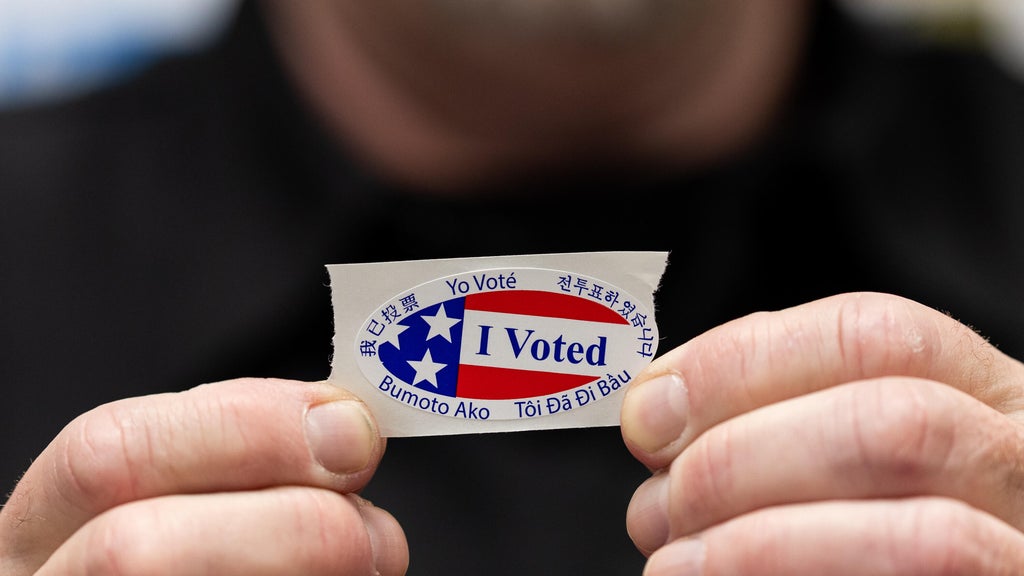
As the sun dipped below the horizon in Atherton, casting a warm glow over the tree-lined streets, residents prepared for the upcoming midterm elections with a sense of anticipation. Yet, just days before the ballots were cast, a shadow loomed over several Northern California counties, including Santa Clara and Sonoma. These areas were served grand jury subpoenas related to allegations of noncitizen voting, a development that has stirred both concern and confusion among voters and officials alike.
In a surprising turn of events, officials from Santa Clara and Sonoma counties disclosed that they had received subpoenas issued by a grand jury at the request of the U.S. Attorney's Office for the Northern District of California. These subpoenas were part of a broader effort by the Justice Department, which is investigating claims that up to 20,000 ballots may have been mailed to potential noncitizens ahead of the elections.
The subpoenas marked the latest chapter in an ongoing saga surrounding voting rights and election integrity in California. Despite the federal government's insistence on ballot segregation, local officials have expressed their commitment to ensuring that all eligible voters can participate in the democratic process. The stakes are high, as the U.S. Supreme Court recently rejected a civil lawsuit from the Justice Department that sought to enforce ballot segregation, leaving local officials in a precarious position.
As the midterm elections approached, tensions escalated. County officials in Los Angeles also received subpoenas demanding records related to noncitizen voting, with deadlines for compliance looming. The pressure from federal authorities has left many local leaders grappling with how to balance federal demands with their responsibility to uphold election laws that protect legitimate voters.
The response from community members has been mixed, reflecting a broader national debate about voting rights and election security. Some residents express concern over the implications of alleged noncitizen voting, fearing that it could undermine the integrity of their local elections. Others, however, view the federal intervention as an overreach that threatens the rights of eligible voters.
In Atherton, a community known for its affluence and civic engagement, discussions around the subpoenas have prompted residents to reflect on the importance of fair and transparent elections. Local resident Maria Thompson, a long-time advocate for voter rights, stated, "We must ensure that every eligible voter has a voice, but we also need to be cautious about how we approach these allegations. Disenfranchising legitimate voters is not the answer."
Conversely, some residents have expressed support for the Justice Department's actions, arguing that any potential noncitizen voting should be thoroughly investigated. John Reynolds, a retired schoolteacher, remarked, "We have to protect our democracy. If there are noncitizens voting, we need to address it head-on, even if it means tough conversations about how we conduct our elections." These differing perspectives illustrate the complexities surrounding the issue and the need for a balanced approach that respects both election integrity and voter access.
At the heart of this unfolding situation are significant legal implications for the counties involved. The subpoenas request detailed information about individuals the Justice Department suspects may have voted unlawfully, as well as records concerning how each county has responded to federal demands. Sonoma County's counsel, Joshua Myers, emphasized the county's commitment to conducting fair elections, stating, "To segregate ballots based on the federal government's requests would violate several laws that ensure the safe and lawful administration of our elections."
Santa Clara County's legal team echoed similar sentiments, asserting that there is no legal basis for the federal government's attempts to intervene in local election processes. As both counties navigate these legal waters, they find themselves in a challenging position, balancing compliance with federal requests against their obligations to uphold state laws.
The ongoing investigations have already led to criminal charges against several individuals for allegedly voting unlawfully in previous elections. This raises questions about the broader implications for voter registration processes and the criteria used to determine eligibility. As federal prosecutors ramp up their scrutiny, the potential for increased legal challenges looms large over the upcoming elections.
The ramifications of these subpoenas extend beyond legalities and into the heart of the community. Residents are left grappling with the uncertainty surrounding their electoral rights and the integrity of the voting process. For many, the midterm elections represent a chance to voice their opinions on critical issues, from education to public safety, and the thought of disenfranchisement weighs heavily on their minds.
Local leaders have emphasized the importance of transparency and communication during this tumultuous time. In a statement, Tony LoPresti, counsel for Santa Clara County, noted, "We are committed to ensuring that every eligible voter can participate in the election process without fear or confusion. Our priority is to uphold the law while providing access to the ballot for all citizens."
As the community prepares for the elections, organizations dedicated to voter education and advocacy are stepping up efforts to inform residents about their rights. Initiatives aimed at clarifying the voting process and addressing concerns about noncitizen voting are essential to fostering trust in the electoral system. With the backdrop of federal scrutiny, local groups are working to ensure that Atherton remains a place where every voice matters.
In light of the recent developments, it is crucial for residents to stay informed about their voting rights and the electoral process. Local organizations, such as the California Secretary of State, provide valuable resources for understanding voter eligibility and registration. Additionally, the Santa Clara County Registrar of Voters offers guidance on how to navigate the voting process and ensure that your voice is heard.
Furthermore, residents are encouraged to participate in community forums and discussions that address voting rights and election integrity. Engaging with local leaders and organizations can help foster a sense of community and collective responsibility in protecting the democratic process. As Atherton residents prepare to cast their ballots, it is essential to remember that informed voters are empowered voters.
As the midterm elections approach, the situation surrounding noncitizen voting and the federal subpoenas continues to evolve. Local officials remain steadfast in their commitment to conducting fair and transparent elections, even in the face of federal pressure. The complexities of this issue underscore the importance of community engagement and open dialogue about voting rights.
In the coming weeks, residents will be watching closely as the outcomes of these investigations unfold. The commitment to preserving the integrity of the electoral process while ensuring access for all eligible voters will remain a priority for local officials and community advocates alike. As Atherton stands at the crossroads of civic responsibility and federal oversight, the resilience of its residents will be tested. Ultimately, the community’s response will shape the future of its electoral landscape and the principles of democracy that underpin it.
By Marcus Chen

By Marcus Chen

By Katherine Langford

By Marcus Chen